27 Oct 2026
Certification Laboratories Revise Approaches for Multi-State Live Streaming Rules
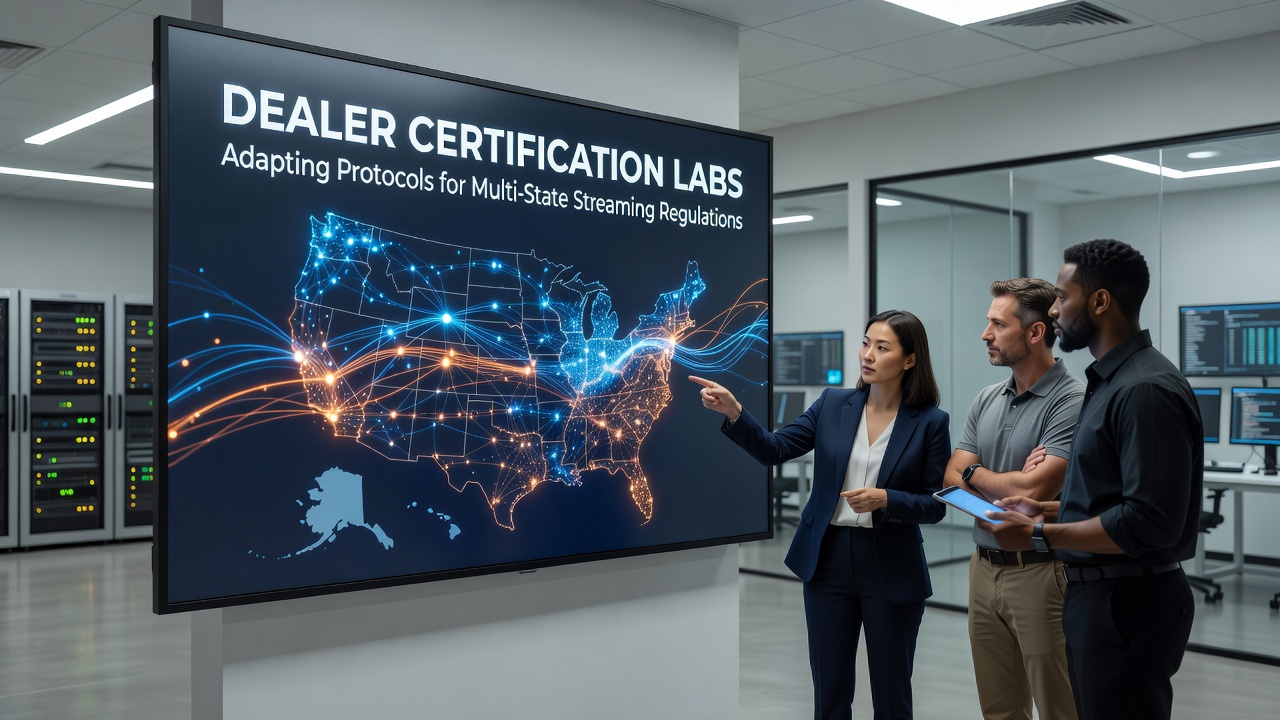
Certification laboratories that train and approve live game dealers have begun adjusting their evaluation methods, and these shifts address the growing patchwork of state-level rules governing streamed gaming content. Multiple jurisdictions now impose distinct technical and procedural requirements on how dealer interactions reach players across state lines, which forces labs to maintain separate testing modules rather than a single standardized checklist.
Current Regulatory Landscape Across States
Data from regulatory filings shows that at least eight U.S. states maintain active live-streaming frameworks for table games as of October 2026, each with its own specifications for camera angles, latency thresholds, identity verification intervals, and audio clarity standards. Labs previously relied on uniform protocols developed for early-adopting markets, yet newer entrants such as those in the Midwest and Mountain West regions have introduced additional constraints on data localization and real-time monitoring access. Observers note that these differences require certification bodies to run parallel validation tracks during dealer assessments.
Technical Adjustments in Testing Procedures
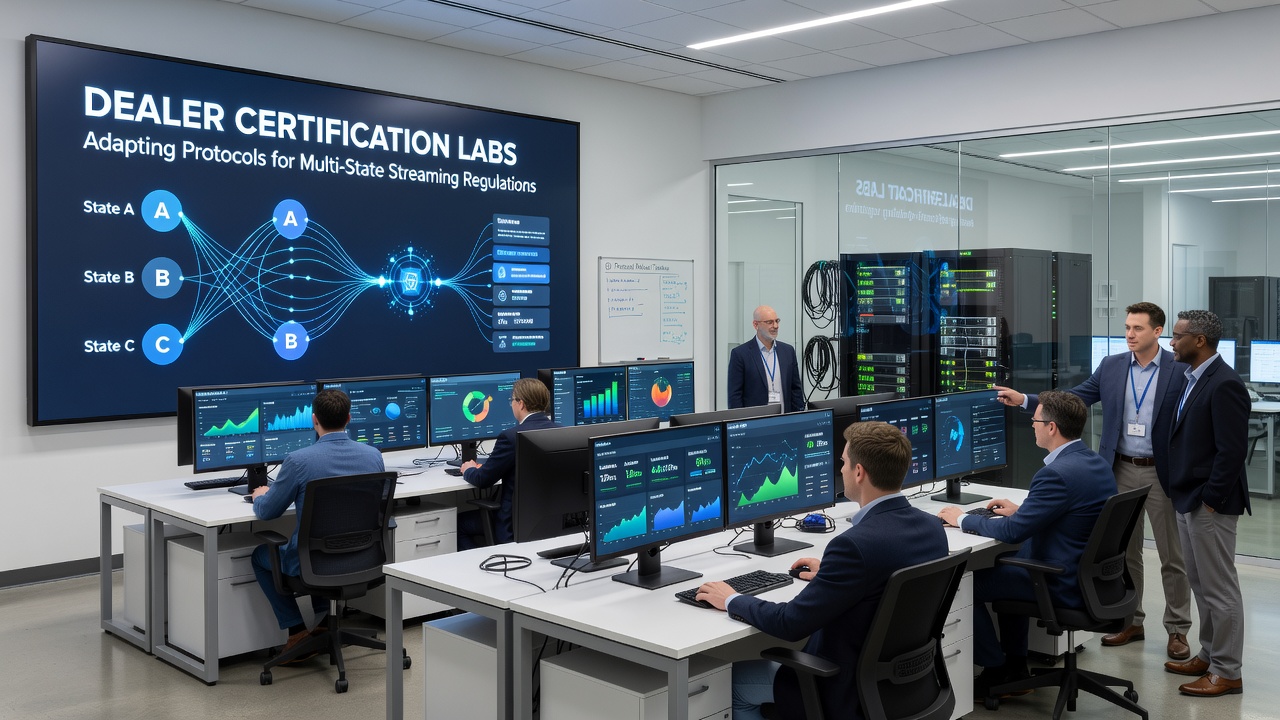
Facilities have expanded their equipment inventories to simulate varying network conditions and regulatory dashboards required by different states. Technicians now conduct staged sessions where dealers must demonstrate compliance with each jurisdiction's unique parameters in sequence, and records indicate that average assessment duration has increased by approximately 25 percent compared with 2024 figures. One study released by an industry research group highlighted how labs incorporated automated logging tools that tag every dealer action according to the specific state rule set under evaluation.
Staff Training and Documentation Updates
Training programs within the labs have incorporated modules that walk dealers through jurisdiction-specific scenarios, and these sessions emphasize correct handling of player queries that trigger different reporting obligations depending on the destination state. Documentation templates have been revised so that certification reports list compliance confirmations separately for each regulatory body rather than issuing a blanket approval. Industry associations report that several laboratories now maintain dedicated compliance officers assigned to track rule changes announced by state gaming agencies on a monthly basis.
Examples from Operational Facilities
Take one East Coast laboratory that recently introduced a modular certification platform allowing dealers to receive endorsements valid in up to four states after completing a single extended evaluation day. Figures released by the facility indicate that 68 percent of candidates cleared all modules on their first attempt following the platform launch. Meanwhile a western facility partnered with a university research team to model how latency variations affect compliance scores across different state-mandated thresholds, and preliminary findings suggest targeted coaching can reduce failure rates by nearly 15 percent.
Coordination with Regulatory Bodies
Labs have increased direct communication channels with agencies such as the New Jersey Division of Gaming Enforcement and the Michigan Gaming Control Board to obtain advance notice of upcoming protocol adjustments. Similar outreach has occurred with regulators in additional regions including certain Canadian provincial authorities and the Australian government gambling regulators, allowing labs to align their testing calendars with anticipated policy releases. This coordination reduces the risk of certifying dealers under outdated criteria when new rules take effect.
Conclusion
Certification laboratories continue to refine their internal processes as more states finalize streaming regulations, and the adaptations described reflect measured responses to documented differences in technical and procedural expectations. Ongoing data collection from these facilities will likely inform further refinements in the months ahead, particularly as additional jurisdictions finalize their frameworks.